- Authors: Chandrakant Singh, Sanjit Kumar Karan, Priyanka Sardar & Shashi Ranjan Samadder
- Date: April 2022
- Link to the article

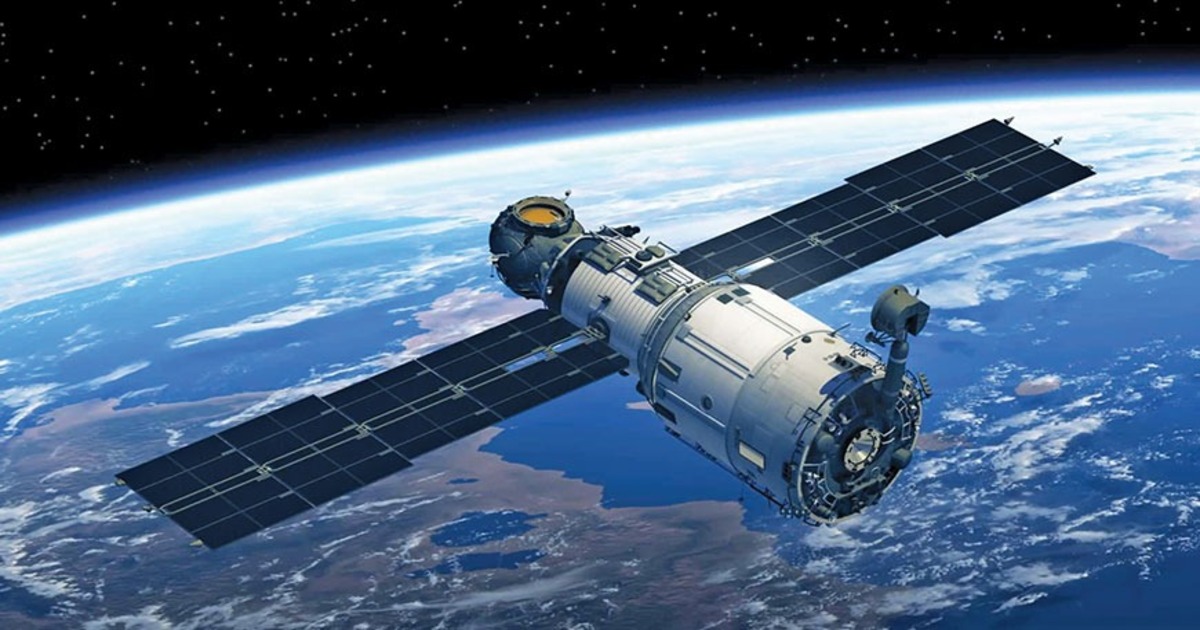
Carbon from space: Machine learning reveals the hidden biomass of tropical forests
Tropical forests store vast quantities of carbon in their above-ground biomass — trees, branches, and leaves — making them critical carbon sinks in the global climate system. Accurately measuring this biomass is essential for estimating carbon stocks, monitoring forest degradation, and designing effective REDD+ policies. But traditional field-based biomass surveys are expensive, time-consuming, and impossible to conduct across the vast, often inaccessible expanses of tropical forest. This paper, published in the Journal of Environmental Management, demonstrates how satellite remote sensing combined with machine learning can dramatically improve the accuracy of above-ground biomass estimation in dry deciduous tropical forests.
The study focuses on a dry deciduous tropical forest in the Jharkhand region of India — an ecosystem type that has received less attention in the remote sensing biomass literature than evergreen tropical forests, despite its significant carbon storage potential. Using multi-temporal Landsat imagery and field-measured biomass data as training inputs, we compare the performance of several machine learning algorithms — including Random Forest, Support Vector Regression, and ensemble approaches — for predicting biomass across the study area. The ensemble approach, which combines predictions from multiple algorithms, delivers the highest accuracy, with R² values substantially higher than those achievable with conventional statistical methods.
Beyond accuracy metrics, the study demonstrates that spectral indices derived from satellite imagery — particularly those sensitive to canopy structure and leaf area — are strong predictors of biomass, even in seasonally dry forests with pronounced phenological variation. The methodology is scalable, cost-effective, and can be updated regularly as new satellite imagery becomes available, offering a practical pathway to routine biomass monitoring across large forest areas.
Machine learning is transforming how we see forests from space. By combining the spectral richness of modern satellite sensors with the pattern-recognition power of ensemble algorithms, we can now estimate forest carbon stocks with a precision and spatial coverage that field surveys alone could never achieve — turning satellites into a tool for planetary-scale carbon accounting.