- Authors: Emmy Wassénius, Anni C. Bunge, Milena K. Scheuermann, Karin Resare Sahlin, Adina Pranindita, Moa Ohlsson, Alejandra Blandon, Chandrakant Singh, Klara Malmcrona Friberg & Patricia Villarrubia-Gómez
- Date: November 2023
- Link to the article
Can academia walk the talk on sustainability? Reimagining research culture from within
Academia is one of the primary institutions charged with producing the knowledge needed to address sustainability challenges — and yet its own practices often stand in direct contradiction to sustainability values. Frequent international air travel, hyper-competitive publication cultures that incentivise quantity over quality, and institutional reward systems that have little room for community engagement or slow science all contribute to a research enterprise with a significant environmental and social footprint. This paper, published in Sustainability Science, asks a provocative question: can academia undergo a "creative destruction" — dismantling unsustainable norms and rebuilding practices aligned with the values it espouses?
Drawing on collaborative reflection among a group of early-career researchers across disciplines and institutions, the paper identifies key tensions in academic life: the pressure to fly to conferences, the carbon cost of lab-intensive research, extractive relationships with communities in the Global South, and the mental health toll of precarious academic careers. These are framed not as individual failings but as structural features of an academic system that has not yet reckoned with its own sustainability challenge.
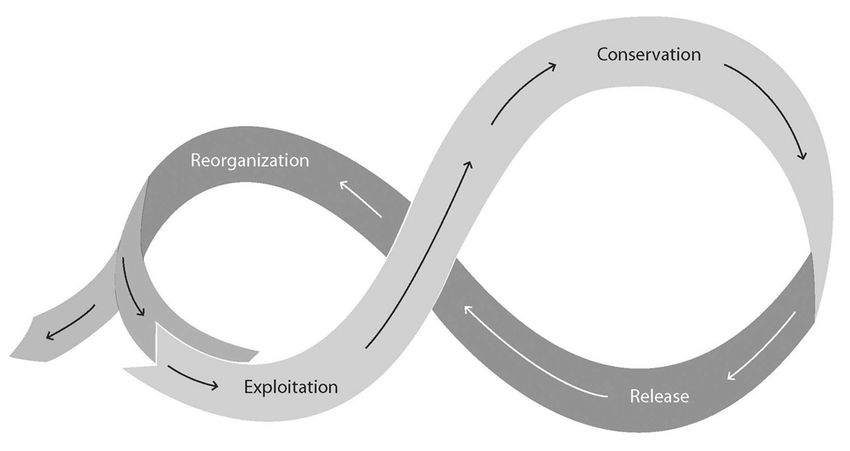
The authors propose a vision of creative destruction in which existing norms are actively dismantled and replaced by practices more aligned with sustainability — virtual and local conferencing, open access publishing, collaborative rather than competitive evaluation cultures, and meaningful co-production with non-academic communities. The paper is both a critique and a manifesto, grounded in the lived experience of early-career researchers navigating these contradictions daily.
If sustainability science is to have credibility, it must model the transformations it advocates. The norms of academia are not immutable facts — they are choices, and they can be remade. The question is whether institutions have the will to reimagine themselves before external pressures force it upon them.